


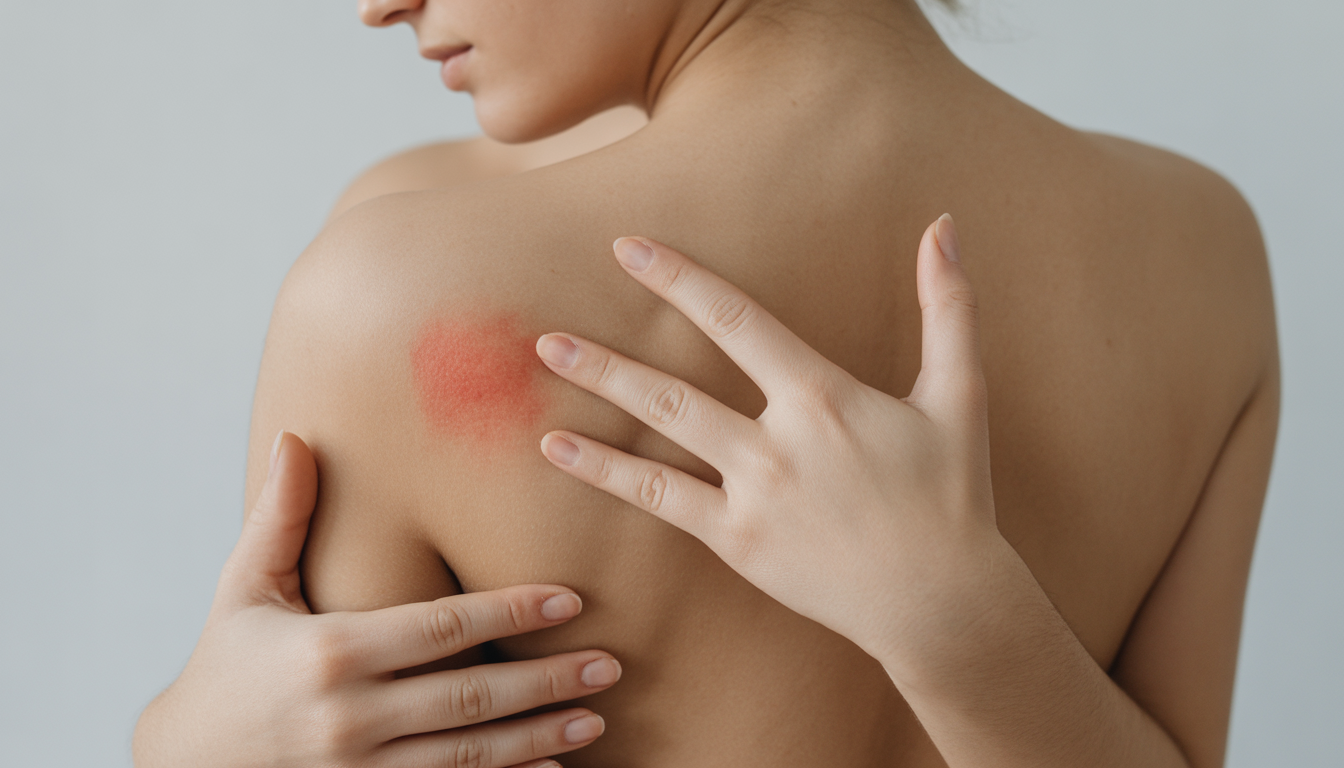
What Is a Rash?
A rash is any area of irritated, inflamed, or swollen skin that may appear red, itchy, painful, or discolored. Rashes can vary widely in appearance depending on the cause and your skin tone. Some are mild and temporary, while others may signal a serious medical condition.
Rashes can develop due to infections, allergies, environmental triggers, or chronic diseases. Identifying the cause is essential for proper treatment.
Common Signs and Symptoms of a Rash
Rashes can present in different ways, including:
- Red, pink, brown, or gray patches
- Itching or burning sensation
- Swelling or inflammation
- Dry, flaky, or scaly skin
- Blisters or fluid-filled bumps
- Crusting or oozing
In some cases, rashes may also come with fever, fatigue, or pain, indicating a more serious issue.
22 Common Causes of Rashes
Here are some of the most frequent causes:
1. Flea Bites
- Small, itchy red bumps (often on legs and feet)
- Appear quickly after bites
2. Fifth Disease
- Viral infection causing “slapped cheek” rash
- Common in children
3. Rosacea
- Chronic facial redness and bumps
- Triggered by heat, stress, or spicy foods
4. Impetigo
- Highly contagious bacterial infection
- Honey-colored crusts around mouth and nose
5. Ringworm
- Circular, scaly patches
- Fungal infection
6. Contact Dermatitis
- Caused by allergens or irritants
- Appears where skin touched the trigger
7. Allergic Eczema
- Dry, itchy, inflamed skin
- Often appears on hands and arms
8. Hand, Foot, and Mouth Disease
- Painful mouth sores and rash on hands/feet
- Common in young children
9. Diaper Rash
- Irritated skin in diaper area
- Caused by moisture and friction
10. Eczema
- Chronic dry, itchy patches
- May flare up periodically
11. Psoriasis
- Thick, scaly plaques
- Autoimmune condition
12. Chickenpox
- Itchy blisters across the body
- Viral and highly contagious
13. Lupus Rash
- Butterfly-shaped rash across cheeks
- Linked to autoimmune disease
14. Shingles
- Painful, blistering rash in a band pattern
- Requires medical attention
15. Cellulitis (Medical Emergency ⚠️)
- Painful, swollen skin infection
- Spreads quickly
16. Scabies
- Intense itching caused by mites
- Small bumps and lines on skin
17. Measles
- Rash spreads from face to body
- Accompanied by fever and cough
18. Tick Bite
- May cause target-like rash (Lyme disease)
- Can include fever or fatigue
19. Seborrheic Dermatitis
- Greasy, flaky patches (often scalp)
20. Scarlet Fever (Medical Emergency ⚠️)
- Sandpaper-like rash
- Usually follows strep throat
21. Kawasaki Disease (Emergency ⚠️)
- Affects children
- Causes fever, red eyes, and rash
How to Treat a Rash at Home
For mild rashes, these remedies can help:
- Use gentle, fragrance-free cleansers
- Wash with lukewarm water
- Apply moisturizer regularly
- Avoid scratching the area
- Use calamine lotion or OTC hydrocortisone cream
- Take oatmeal baths to soothe itching
Over-the-Counter Medications
You may use:
- Pain relievers like ibuprofen or acetaminophen
- Anti-itch creams
Always follow dosage instructions and consult a doctor if unsure.
When to See a Doctor
Seek medical attention if you experience:
- Rash lasting more than a few days
- Severe pain or swelling
- Fever above 38°C (100.4°F)
- Difficulty breathing
- Rash spreading rapidly
- Dizziness or confusion
Emergency Warning Signs 🚨
- Swelling of face or throat
- Severe allergic reaction
- Rash with high fever
What to Expect at a Medical Visit
A doctor may:
- Examine the rash visually
- Ask about your symptoms and history
- Order tests (blood test, allergy test, biopsy)
- Prescribe medications
Tips for Prevention
- Avoid known allergens
- Maintain good hygiene
- Use gentle skincare products
- Protect skin from insects and irritants
- Keep skin moisturized
Frequently Asked Questions
How do I identify my rash?
The best way is to consult a dermatologist, as many rashes look similar.
What are the main types of rashes?
- Infectious
- Allergic
- Environmental
- Autoimmune
- Irritant-based
What is the fastest way to heal a rash?
It depends on the cause. Mild rashes may improve with home care, but others require medical treatment.
Final Thoughts
Rashes are common and often harmless, but they can sometimes signal serious health issues. Paying attention to symptoms, triggers, and duration is key.
If a rash worsens, spreads, or comes with other symptoms, don’t ignore it-seek medical advice promptly.
