


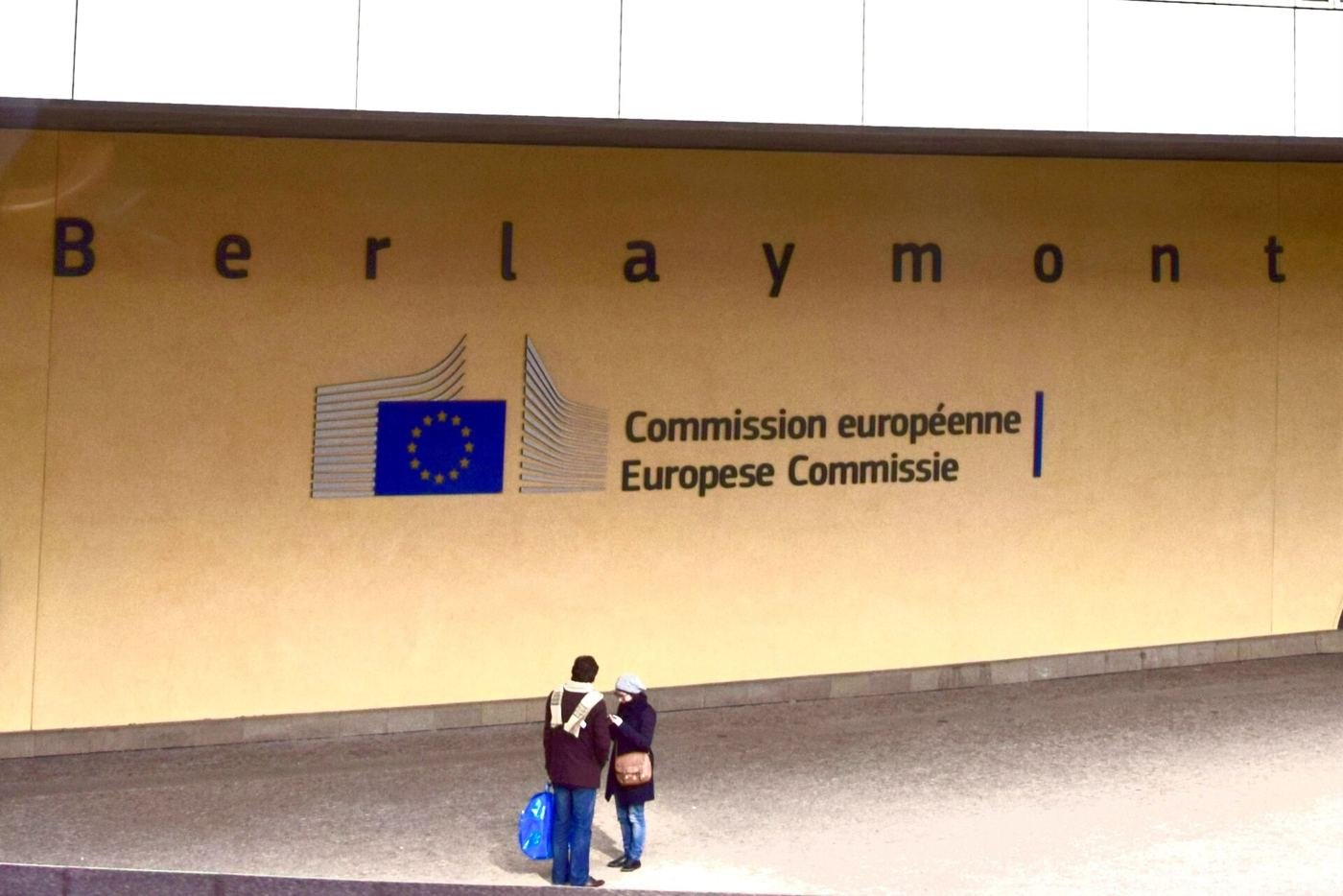
Britain and the European Union signed three new agreements at a reset summit in Brussels in November 2026, the latest step in rebuilding a relationship strained since Brexit. The summit brought Prime Minister Andy Burnham together with European leaders to reset a relationship that has been marked by argument over trade, borders and fishing rights. Burnham has made closer ties with Europe a central goal of his government, arguing that cooperation on trade, security and energy serves both sides. The agreements are expected to ease some of the friction that has burdened businesses and travellers since Britain’s departure from the single market and the customs union. Officials on both sides described the summit as a turning point, though they cautioned that the hardest questions, including the movement of people, remain unresolved.
What the Evidence Shows
Britain left the European Union in January 2020, and the trade deal that followed kept goods flowing but left businesses facing new checks, paperwork and delays. Relations were further strained by rows over Northern Ireland, fishing access and the rights of citizens living on either side of the Channel. The war in Ukraine changed the mood, pushing London and Brussels to work more closely on defence, sanctions and energy security. Business groups welcomed the reset, saying that even small reductions in border friction would help exporters, while critics of closer ties warned against drifting back towards European rules. The summit focused on practical cooperation in trade, defence and energy, the areas where both sides say closer ties bring the clearest gains, and further meetings are planned to work through the details. Reporting and analysis from sources such as Reuters track the same developments, and specialists following the Britain and European Union reset summit say the direction is now consistent across independent lines of evidence.
The Wider Context
The wider context is a public conversation conducted at a speed institutions were not built for. Developments around the Britain and European Union reset summit are announced, contested and revised within a single news cycle, and the officials involved have learned to publish evidence alongside claims so that scrutiny can actually occur. Trust, the polling suggests, follows that transparency more than it follows confidence.
What Happens Next
What happens next in the story of the Britain and European Union reset summit will be decided in the places where it is being implemented, measured and argued about in public. The officials and organisations involved have committed to publishing progress data, and that commitment gives residents, businesses and journalists something firmer than promises to judge. The next milestones are dated, which means they can be checked. You can follow related developments in our coverage of news.
There is a practical lesson in all of this for readers deciding what to do today. Start with the verified facts, be wary of anyone promising certainty, and prefer reversible steps while the evidence is still developing. Circumstances differ by country, income and personal situation, so general guidance should always be weighed against your own context before you act on it in any significant or lasting way.
