


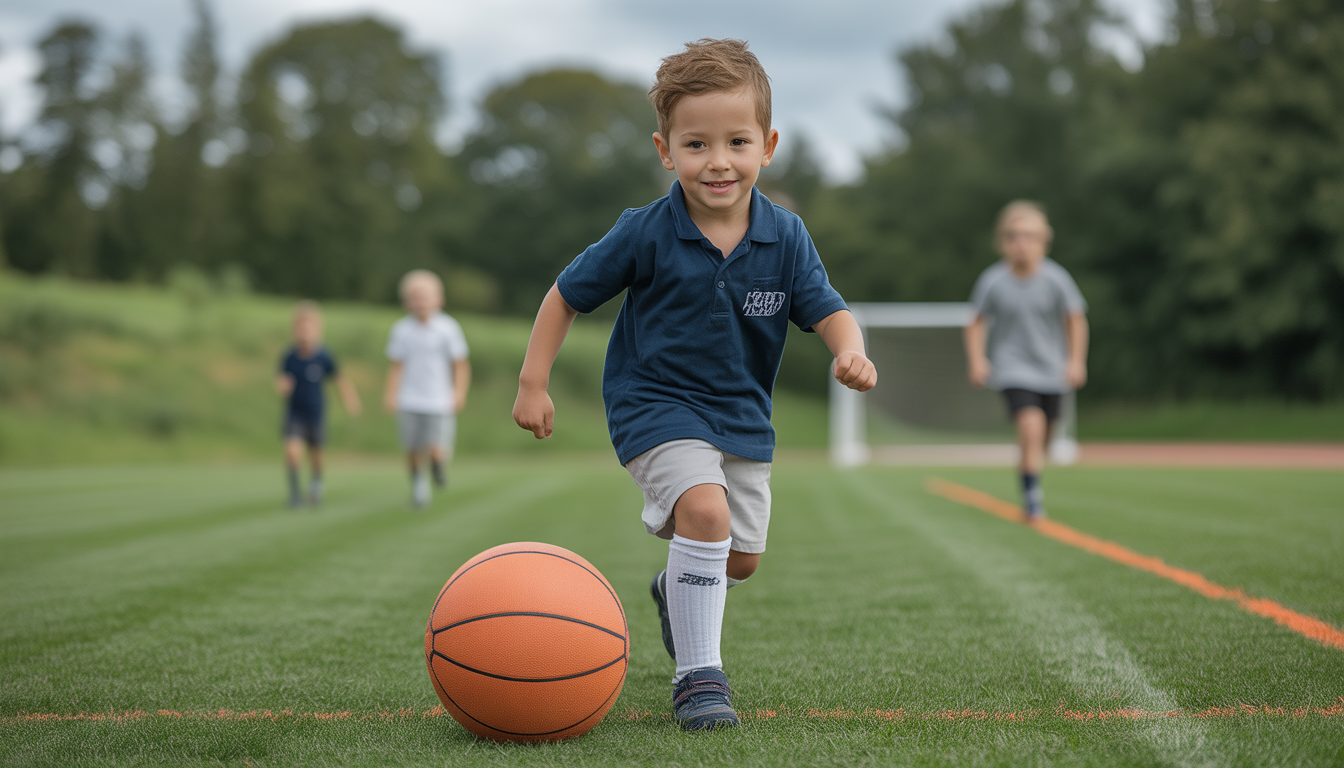
Children with Attention-Deficit/Hyperactivity Disorder (ADHD) often have high energy levels, creativity, and a natural desire to stay active. Sports can be a powerful outlet-but choosing the right sport and environment is what truly makes the difference.
This guide breaks down how to select the best sport, the benefits involved, and simple ways you can support your child’s success-both on and off the field.
Why Sports Matter for Children with ADHD
Sports aren’t a cure for ADHD, but they can play a valuable role alongside structured treatment plans. Regular physical activity helps children:
- Improve focus and attention
- Develop motor and coordination skills
- Channel excess energy in a positive way
- Build confidence and discipline
Just as every child with ADHD is different, their response to sports will also vary. What works for one child may not work for another-so flexibility is key.
Types of Sports: Finding the Right Fit
1. Individual vs. Team Sports
Individual Sports (Best for Focus & Structure)
Children who get easily distracted or need more one-on-one guidance may benefit from individual sports. These allow coaches to provide direct feedback and help children stay engaged.
Examples:
- Swimming
- Tennis
- Martial arts
- Track and field
- Wrestling
- Dance
These sports reduce distractions and allow kids to focus on mastering one skill at a time
Team Sports (Best for Social Skills)
Team sports can help children develop:
- Communication skills
- Teamwork
- Friendships
- Emotional resilience
Examples:
- Soccer
- Basketball
- Baseball
While some children with ADHD may struggle in group settings, structured team environments can actually improve social interaction over time.
2. Open-Skill vs. Closed-Skill Sports
Open-Skill Sports (Dynamic & Fast-Paced)
These sports require quick thinking and constant adaptation, which can help improve attention.
Examples:
- Soccer
- Basketball
- Tennis
Ideal for children who need stimulation and variety.
Closed-Skill Sports (Predictable & Repetitive)
These involve consistent, self-paced movements.
Examples:
- Running
- Swimming
Better suited for children who struggle with impulsivity or need routine.
How to Choose the Right Sport
Finding the right sport isn’t about perfection-it’s about exploration.
Smart Approach for Parents:
- Let your child try multiple sports (school, camps, clubs)
- Observe what they enjoy and stick with
- Give them time to learn and adjust
- Expect changes-kids often switch interests
Important Tip:
Always involve your child in the decision. When they feel ownership, they’re more likely to stay committed.
Communicate with Coaches
Inform the coach about your child’s ADHD so they can:
- Provide clear instructions
- Offer positive reinforcement
- Use structured routines
A supportive coach can make a huge difference in your child’s experience.
Key Benefits of Sports for Kids with ADHD
1. Improves Physical Health
Regular sports participation helps:
- Strengthen muscles and bones
- Improve heart and lung health
- Maintain a healthy weight
- Reduce long-term disease risks
2. Enhances Focus and Behavior
Exercise has been shown to improve:
- Attention span
- Executive functioning
- Impulse control
Physical activity acts as a natural regulator for ADHD symptoms.
3. Builds Social Skills
Structured sports environments help children:
- Make friends
- Learn teamwork
- Practice communication
This is especially valuable for kids who struggle with unstructured social settings.
4. Boosts Confidence and Self-Esteem
As children develop skills and improve performance, they begin to:
- Recognize their strengths
- Feel more confident socially
- Build a positive self-image
Confidence grows when effort-not just results-is recognized.
How Parents Can Support Their Child
Your role is just as important as the sport itself.
Do This:
- Focus on effort and improvement, not winning
- Encourage consistency without pressure
- Celebrate small achievements
- Maintain a positive and supportive attitude
Avoid This:
- Overemphasizing competition
- Comparing your child to others
- Forcing a sport they don’t enjoy
Final Takeaway
Sports can be a powerful tool for helping children with ADHD develop physical strength, emotional resilience, and social confidence. But success doesn’t come from choosing the “perfect” sport-it comes from finding the right fit for your child.
Let them explore, support their journey, and focus on enjoyment over performance. With time, they’ll discover an activity that not only keeps them active-but helps them thrive.
Frequently Asked Questions (FAQs)
Are team sports good for children with ADHD?
Yes, they can improve social skills and teamwork, especially in structured environments.
What is the best sport for ADHD?
There’s no single best option. It depends on your child’s personality, attention span, and interests.
Can sports replace ADHD treatment?
No. Sports are a supportive tool, not a replacement for medical or behavioral treatment.
How do I keep my child motivated?
Choose activities they enjoy, avoid pressure, and celebrate progress instead of results.
