


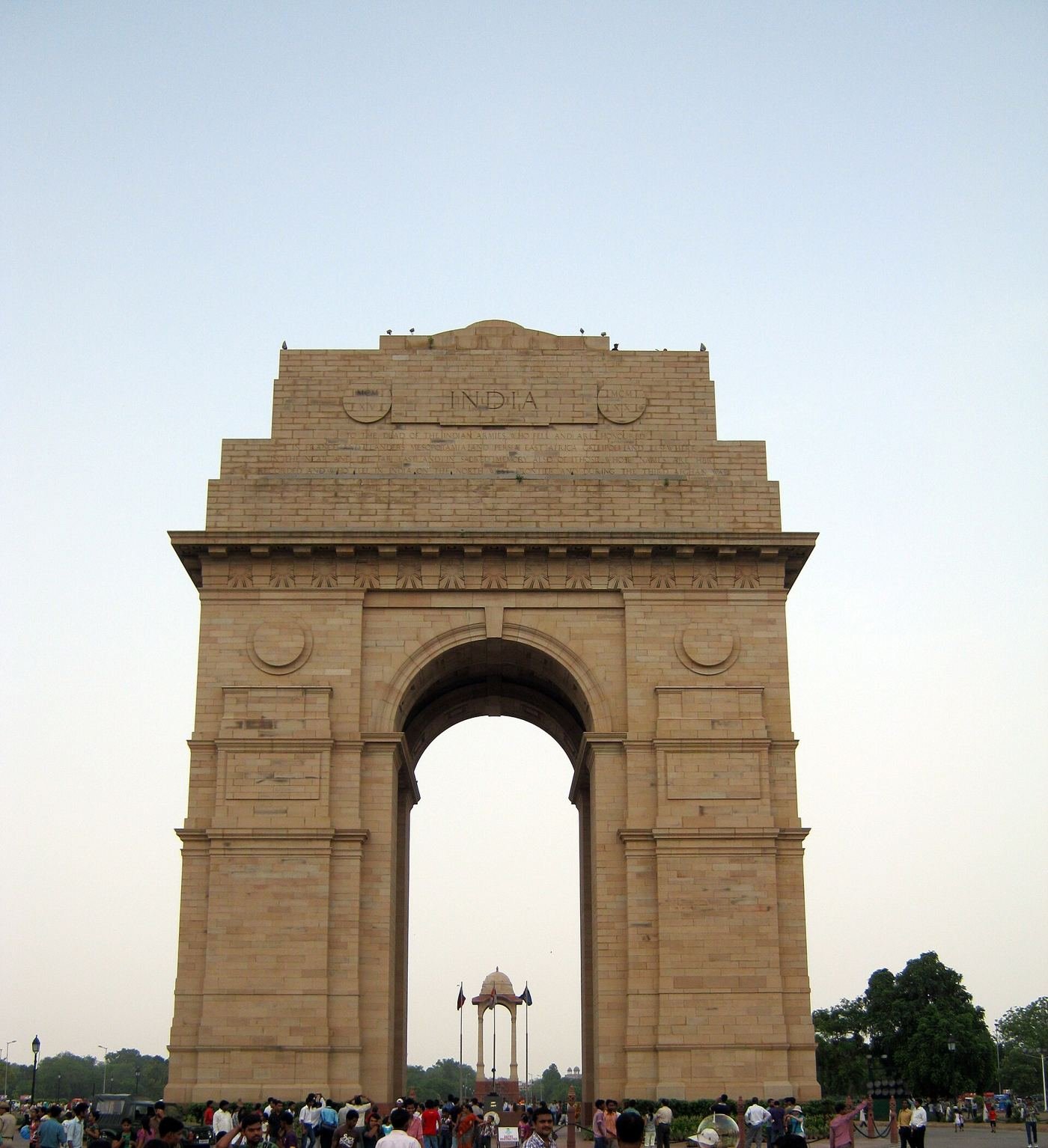
Nepal’s Prime Minister, Balendra Shah, arrived in New Delhi on Sunday 22 November 2026 for his first official visit to India since taking office. Shah was scheduled to meet Prime Minister Narendra Modi on Monday, with energy cooperation, trade, connectivity and infrastructure among the principal subjects on the agenda. The visit comes at a sensitive moment in relations between the two neighbours, which share an open border, deep cultural ties and a history of disputes over territory, water and trade. For Nepal, closer energy and trade links with India are central to its development plans, while New Delhi watches its northern neighbour’s relations with China closely.
What the Evidence Shows
India and Nepal have worked to rebuild trust after years of friction, including a bitter border dispute and a blockade in 2015 that left Nepalese households short of fuel and medicine. Energy is now the most promising area of cooperation, with Nepal’s vast hydroelectric potential able to supply power to Indian states, and India financing transmission lines and cross-border projects. Trade and transport links are also on the agenda, since Nepal, a landlocked country, depends on Indian ports for most of its imports. The visit is Shah’s first chance to set the tone of the relationship in person, and both sides will be judged on whether the warm words produce signed agreements. Reporting and analysis from sources such as Reuters track the same developments, and specialists following Nepal’s prime minister visiting India say the direction is now consistent across independent lines of evidence.
The Wider Context
The wider context is a public conversation conducted at a speed institutions were not built for. Developments around Nepal’s prime minister visiting India are announced, contested and revised within a single news cycle, and the officials involved have learned to publish evidence alongside claims so that scrutiny can actually occur. Trust, the polling suggests, follows that transparency more than it follows confidence.
What Happens Next
What happens next in the story of Nepal’s prime minister visiting India will be decided in the places where it is being implemented, measured and argued about in public. The officials and organisations involved have committed to publishing progress data, and that commitment gives residents, businesses and journalists something firmer than promises to judge. The next milestones are dated, which means they can be checked. You can follow related developments in our coverage of news.
There is a practical lesson in all of this for readers deciding what to do today. Start with the verified facts, be wary of anyone promising certainty, and prefer reversible steps while the evidence is still developing. Circumstances differ by country, income and personal situation, so general guidance should always be weighed against your own context before you act on it in any significant or lasting way.
